

As we get into the winter season and it gets even harder to motivate yourself to get out for a run in the cold and wet, lots of us turn to running groups for company and a bit of accountability. There are all sorts of different groups out there, ranging from social runs, group runs, and coached sessions. All of them have their pros and cons and can be a fantastic way of meeting people and making training feel more fun.
For someone who has never attended a group session, the biggest concern is often, Will I be able to keep up? It’s a completely natural concern to have with a new group, and it’s worth doing your research. What kind of runs do they do? Do they have mixed abilities and speeds that attend? How do they handle that? How do they make sure that everyone feels welcome there? (Don’t be afraid to reach out and ask!). Or if you’re someone who already goes to run groups,, it might be worth asking, Am I being coached, or simply being given a workout?
A good group training session should leave you feeling that you’ve done more work hard. You should understand what you were working on, feel that the session was suited to your ability, and leave with something you can take into your own training.
There is room for social runs, informal training groups and coached sessions. They each offer something valuable. But when a session is advertised as coached, you should expect planning, observation, feedback and a clear purpose.
Here’s what I believe that should look like, and how I approach it at Trail Run West Midlands.
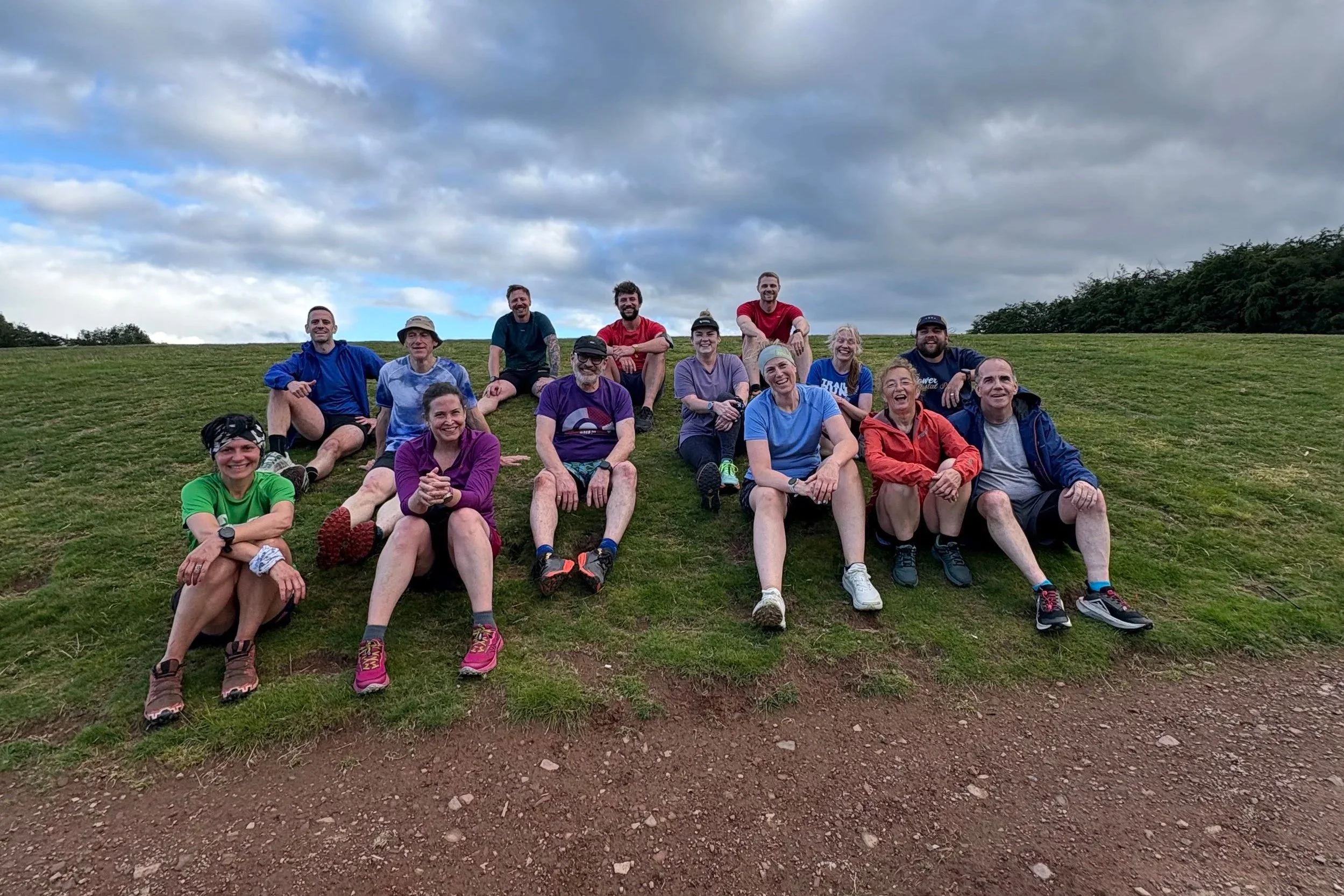
Trailing over the Waseley Hills
Start with a purpose
Creating a session shouldn’t begin with, “How can I make everyone exhausted?”
It should begin with, “What do I want the runners to get from this?”
That might be improving their ability to sustain a controlled effort, developing confidence on uneven ground, practising uphill technique or building strength and coordination.
As a coach it’s then my job to choose the terrain, effort, recovery and overall volume to support that aim. A session can be challenging without becoming a competition to see who can suffer the most.
I also like to have a clear coaching point for the evening, something runners can understand, practise and take away. It might be controlling the opening effort, adjusting stride length on a climb or keeping movements balanced during a strength exercise.
One useful point, explained clearly and reinforced during the session, can go a long way.
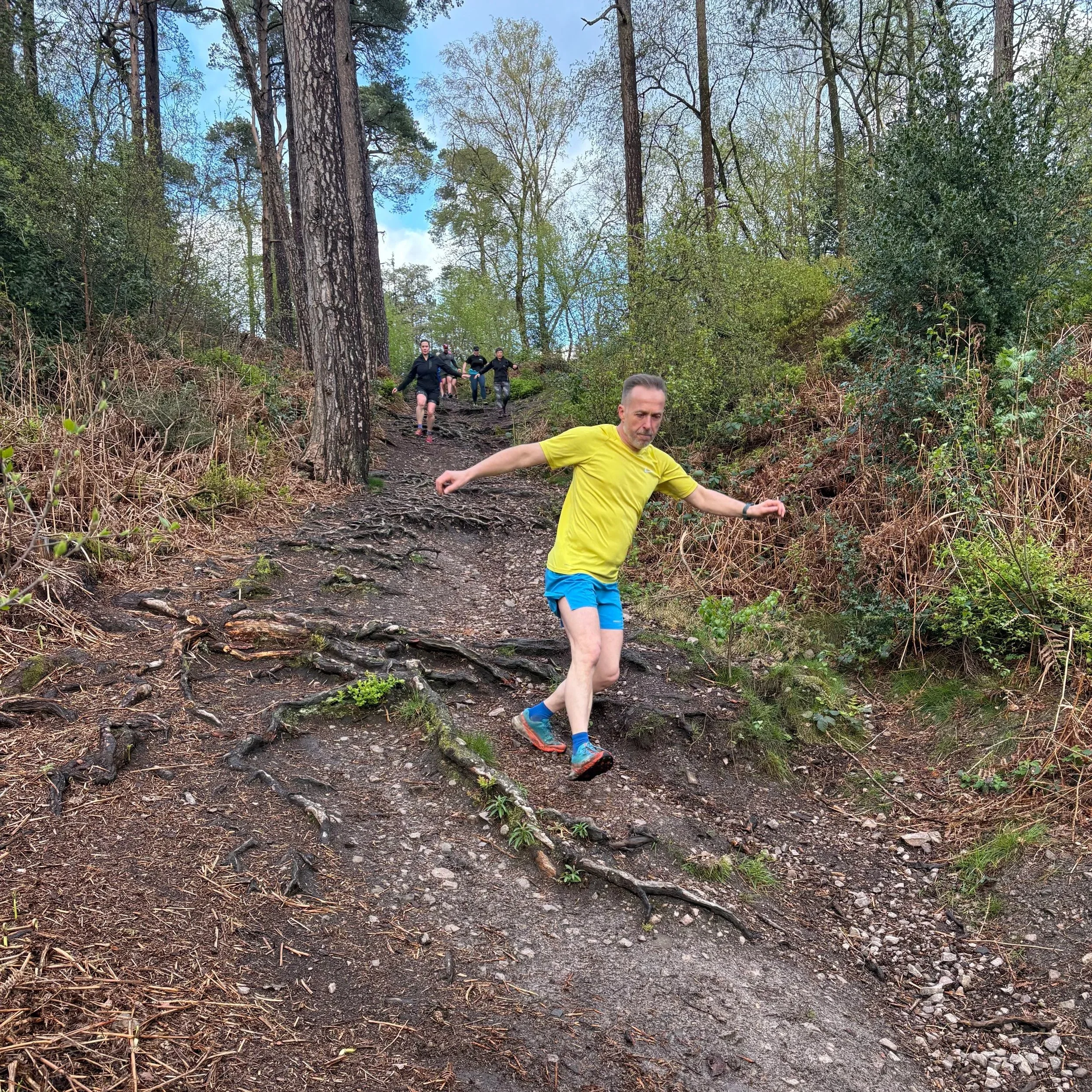
Downhill technical session at Lickey Hills
A session should belong to a bigger picture
Periodisation can sound complicated, but the principle is straightforward, training should develop over time.
A block of group sessions should have some direction, with opportunities to build, practise and recover. That doesn’t mean every week must become harder. Progression can come through better execution, more consistent pacing, slightly longer efforts or greater confidence on the terrain.
A mixed group can share a broad training focus while individuals adjust the dose to their own needs. Some might be building for a race, while others might be looking to build a specific skill or just build a bit more confidence. When it’s done right, a targeted session gives all of them a chance to work towards their goals in a freindly and supportive environment that leaves them feeling unstoppable!
If you have an individual coach, tell them what the group session involves. The aim is for the different parts of your training to support each other. A group session can become a valuable part of the training week. It still counts as training stress. If Wednesday evening is a demanding hill or interval session, it needs to sit sensibly alongside your long runs, strength work and other efforts.
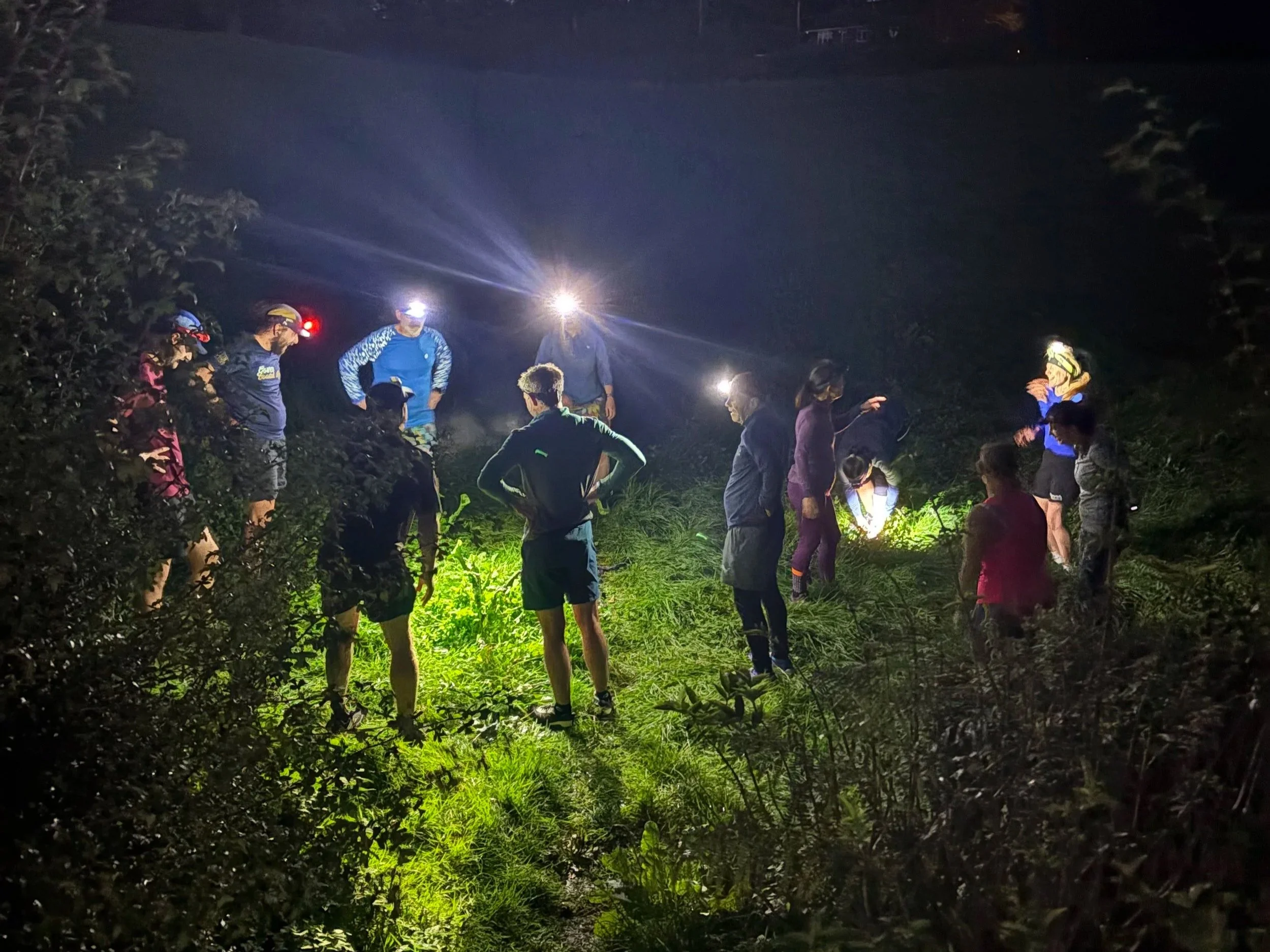
Providing coaching points during recovery
Inclusive training needs more than a welcome message
Saying “all abilities welcome” is a start. The session design needs to make that possible.
This is one reason I mainly use timed efforts rather than fixed distances.
During a three minute effort, runners might cover very different distances, but everyone works for the same amount of time. With a suitable route and regrouping system, they can recover and start the next repetition together.
Distance based sessions have their place. However, asking everyone to cover the same distance can create very different workloads, one runner might finish in three minutes while another is still working after five.
Timed efforts help me bring different abilities into a shared session. They don’t automatically make it inclusive, though. I still need to consider the route, recovery, number of repetitions and options to shorten or adapt the work.
Inclusive doesn’t mean everyone does exactly the same thing, it means everyone has a worthwhile way to take part.
The warm-up is part of the coaching
A warm-up should prepare people for what comes next. For a trail session, that might include easy running, dynamic movements, controlled strength exercises and progressively quicker efforts. The content should reflect the main session, the ground conditions and the people attending.
It is also a useful opportunity for the coach to observe the group. Who looks unusually tired? Who mentions a niggle? Who is new and needs a little reassurance?
A brief check in can tell you more than a session plan ever will.
The warm-up should help runners feel ready, while giving the coach a chance to make any necessary adjustments before the main work begins.
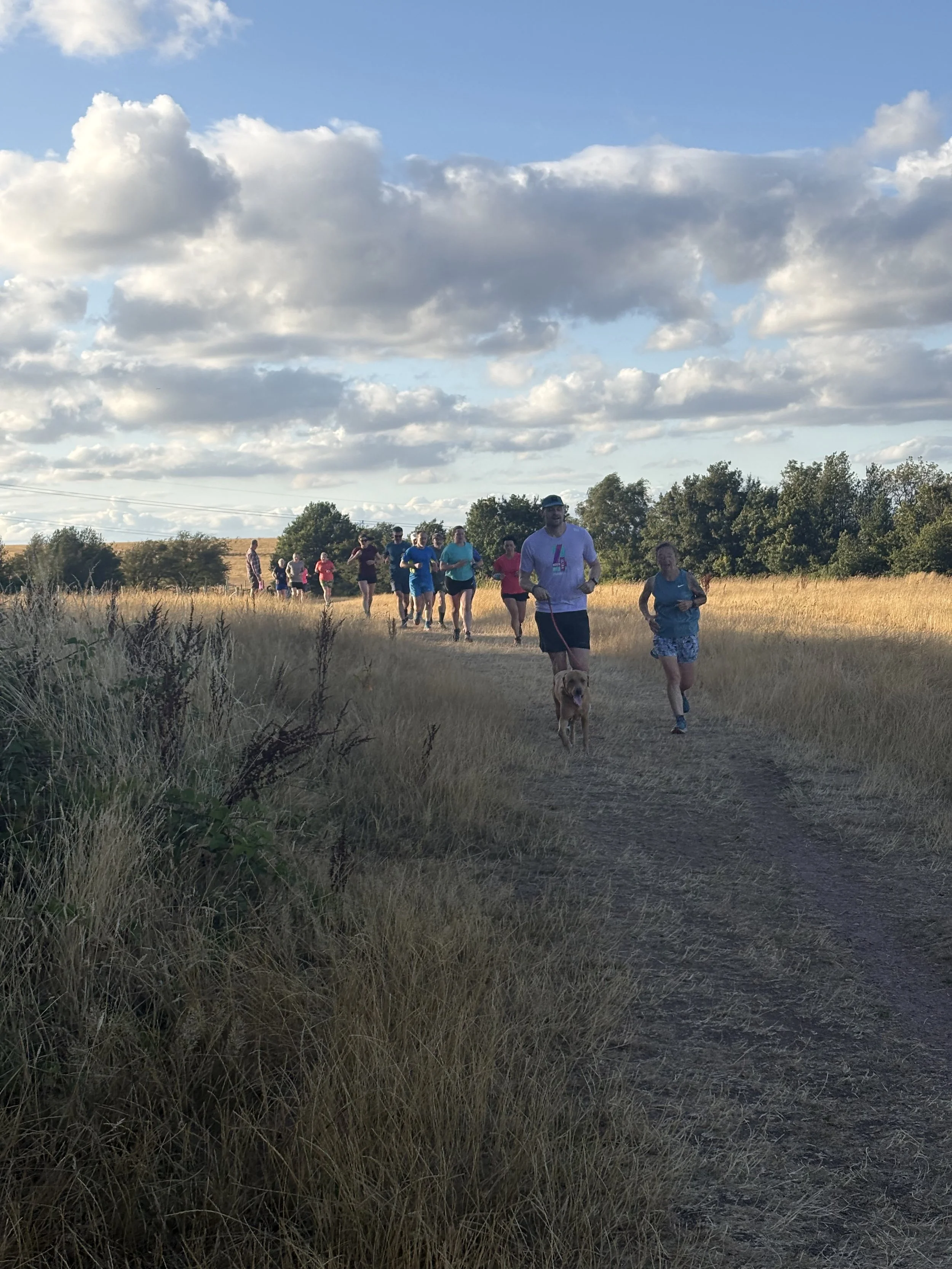
Fun around the Waseley Hills
Strength and conditioning can be part of the session
A running session doesn’t have to consist entirely of running.
Bodyweight strength and conditioning can fit well, whether through controlled push ups, squats, lunges, balances or other appropriate movements. These can give runners opportunities to practise control, coordination and strength alongside their running, and can also offer a lot of fun to a session, especially if we use the natural environment as our gym!
The exercise needs a purpose, a suitable level of difficulty and enough coaching to make it useful. Adding a few rushed repetitions between intervals doesn’t automatically create a good strength session. Quality matters more than squeezing in another exercise.
Of course bodyweight work has limits and won’t meet every athlete’s strength needs on its own. But it can be a valuable introduction or complement to injury mitigation or dedicated strength training, and in a mixed group where some of the athletes might be new to strength training and/or nervous about starting, it can give them an easy first step into working it into their training outside the sessions.
Adults are allowed to play
Somewhere along the way, we seem to get the message that adult training must look serious to be worthwhile.
I disagree! Adults love games too.
A well chosen game can create opportunities to accelerate, slow down, balance, react, change direction and work with other people. It can also help newcomers relax and encourage a group to mix. Anybody who has been along to our sessions and found themselves giggling like a maniac while playing “stuck in the mud” or '“toilet tag” will know!
Relays, partner challenges, and simple movement games can all have a place in physical development and conditioning. For me when choosing a game to add to a session, consider things like is the ground suitable? Does the game involve contact or sudden changes of direction? Can it be adapted for different abilities? Does it support the session’s purpose?
Fun belongs in training. It deserves the same planning as the intervals.
Coach the group, and notice the individual
A well thought out coached session should recognise that each person is having a different experience, and that gives a great opportunity to discreetly coach people on an individual basis within the context of the wider session.
If several runners are starting too quickly, (and suffering for it), that is a useful group coaching point, and can be brought up in a way that is gently humorous and helps everyone work better. Meanwhile if one person needs a technique adjustment or even a quieter conversation about reducing the workload, because I’ve noticed that they are usually tired or struggling, that can usually happen without making them the centre of attention. In every case, individual feedback should always be respectful, specific and manageable. Give someone one thing they can use, allow them the time to practice it.
On the other hand, I firmly believe that good coaching also includes recognising what is going well. Pointing out controlled pacing, improved confidence or a well-executed movement helps runners understand what to repeat, and we should never underestimate how powerful it is shouting out when someone is giving a great effort or has improved on something.
Coaches can join in, but remember whose session it is!
Taking part in a few repetitions can help a coach demonstrate an effort, support a runner or build rapport.
But it is important to remember, this is the athletes’ session. The coach is there to coach.
If you are completing your own hard workout, it becomes difficult to observe the group, monitor recoveries, support those further back and notice when someone is struggling.
The coach’s training goals shouldn’t determine the session.
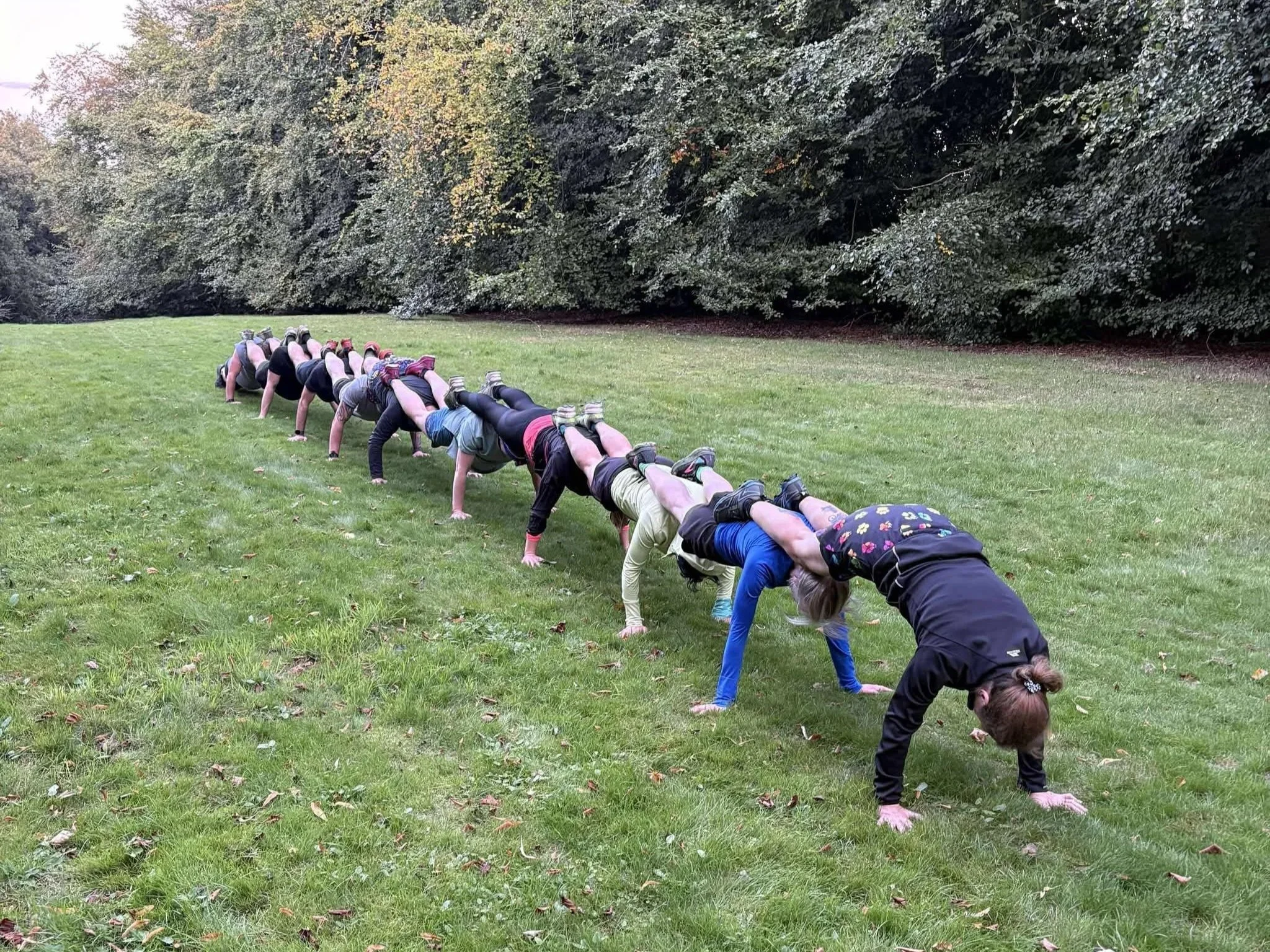
We always have fun! This challenge created loads of giggles.
The weather gets a say
An outdoor session plan needs to be adaptable.
Heat, cold, wind, darkness, mud, snow and ice can change what is appropriate on the evening. A route that works well in daylight may need adjusting after dark. A grassy slope that was suitable last week might now offer very little grip. Heavy rain may need the session. shortening to prevent getting cold.
Sometimes the right decision is to change the route, shorten an effort, keep recoveries more active or move away from a particular exercise. Occasionally, it may mean cancelling.
Adapting a session is part of delivering it well. The plan should serve the people and conditions in front of you.
Belonging matters beyond the repetitions
People might first attend because they want to improve their running. Feeling part of the group keeps people coming back through toughasons, setbacks and plateaus.
At any group run, that starts with learning names, introducing newcomers and noticing the people who might otherwise remain on the edge of the conversation.
At Trail Run West Midlands, we also make space for monthly socials and our fun Christmas awards. Alongside other awards, attendees choose a “Runners’ Runner”, a chance to recognise someone whose encouragement, attitude or contribution has mattered to the group.
Recognition very often doesn’t revolve around speed. Consistency, kindness, perseverance and helping others all deserve a place.
What should you expect as a runner?
You don’t need to arrive already fit enough to impress anyone. You should be able to arrive knowing there is a suitable place for you in the session.
You should expect:
A clear explanation of the session and its purpose.
A warm-up that prepares you for the work ahead.
Options appropriate to your ability and circumstances.
A coach who observes, encourages and offers useful feedback.
Sensible decisions about terrain, weather and workload.
Space to ask questions or adjust your effort without embarrassment.
You can help by telling the coach about relevant injuries, fatigue or upcoming races, and by being honest about how you feel that evening.
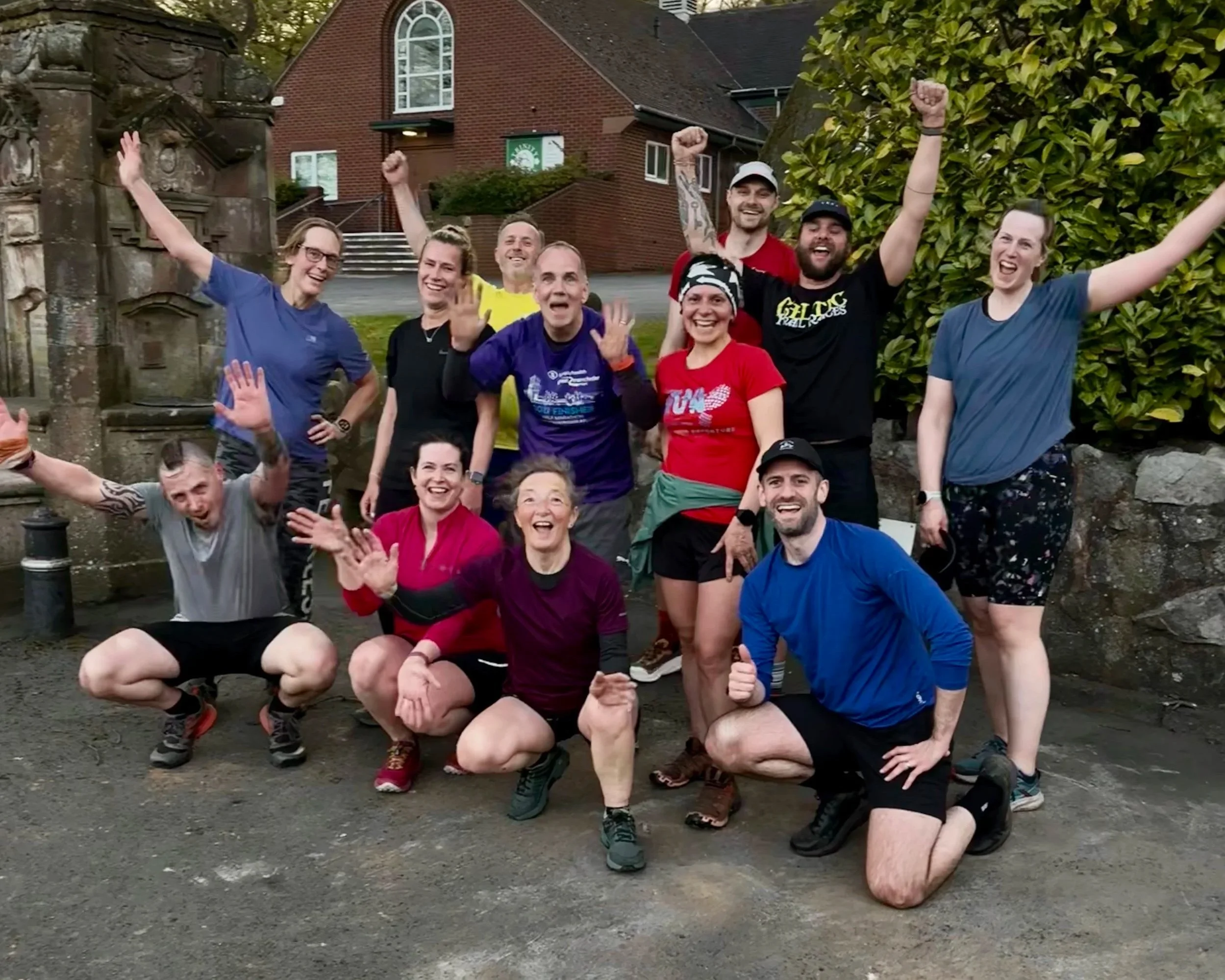
A happy group!
Thinking about joining us?
At our HIIT the Trails sessions at Trail Run West Midlands, I aim to offer purposeful training, adaptable efforts, practical coaching and a group people enjoy being part of. You can work hard, learn something and have a laugh in the same evening.
If you’ve been wondering whether group training is for you, you’re welcome to get in touch. We can talk through how a session would fit your experience, confidence and current training.